Outside Canada · Germany / civil protection / inflation · 2026-08-28
Germany asks citizens to prepare: Survival Lilly video, BBK crisis guide PDF and inflation-pressure table
Survival Lilly’s video is useful because it points to a real official German civil-protection guide. The strongest record is not the fear headline — it is the BBK booklet itself: households should build resilience, store food and water, prepare for power/water disruption, keep emergency bags ready, and know what to do around shelter and explosions.
Watch original YouTubeOpen BBK guide PDF copySource noteInflation table
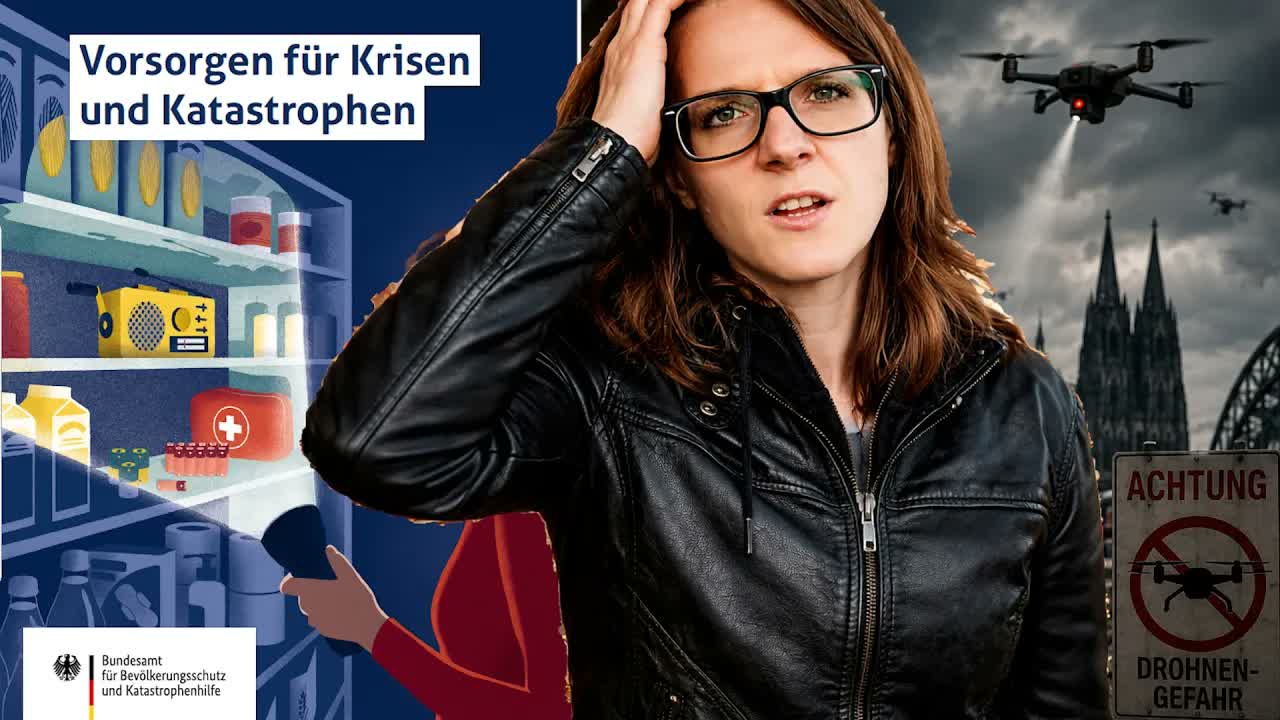
The book/guide she is talking about
The YouTube description links Germany’s Federal Office of Civil Protection and Disaster Assistance — BBK — English guide PDF, Planning ahead for crises and disasters. The extracted first pages show a 40-page guide covering food/drink, disability planning, warnings, radio/information, fears and worries, medical emergencies, cooking without electricity, heating failure, fire, documents, emergency bags, shelter and protection from explosions.
Pages: 40 --- PAGE 1 --- Planning ahead for crises and disasters --- PAGE 2 --- The Federal Office of Civil Protection and Disaster Assistance (Bundesamt für Bevölkerungsschutz und Katastrophenhilfe, BBK) is your reliable partner for emergency planning and self-protection . Further information on all topics in this brochure can be found on our homepage: www.bbk.bund.de/vorsorge --- PAGE 3 --- 1 Preparation pays off . . . . . . . . . . . . . . . . . . . . . . . . . . . . . . . . . . . . . . . . . . . . . .2 When everyday life is interrupted . . . . . . . . . . . . . . . . . . . . . . . . . . . . . . . . .4 Stocking up on food and drink . . . . . . . . . . . . . . . . . . . . . . . . . . . . . . . . . . . .6 Planning for people with disabilities . . . . . . . . . . . . . . . . . . . . . . . . . . . . . .8 Receiving and understanding warnings . . . . . . . . . . . . . . . . . . . . . . . . . . 10 Staying informed during a crisis . . . . . . . . . . . . . . . . . . . . . . . . . . . . . . . . 12 Recognising trustworthy information . . . . . . . . . . . . . . . . . . . . . . . . . . . 14 Dealing with fears and worries . . . . . . . . . . . . . . . . . . . . . . . . . . . . . . . . . 16 Talking to children about crises . . . . . . . . . . . . . . . . . . . . . . . . . . . . . . . . . 18 Treating medical emergencies yourself . . . . . . . . . . . . . . . . . . . . . . . . . 20 Cooking without electricity . . . . . . . . . . . . . . . . . . . . . . . . . . . . . . . . . . . . 22 When heating fails . . . . . . . . . . . . . . . . . . . . . . . . . . . . . . . . . . . . . . . . . . . . . 23 Reacting when there’s a fire . . . . . . . . . . . . . . . . . . . . . . . . . . . . . . . . . . . . 24 Storing documents securely . . . . . . . . . . . . . . . . . . . . . . . . . . . . . . . . . . . . 25 Having emergency bags to hand . . . . . . . . . . . . . . . . . . . . . . . . . . . . . . . . 26 Seeking shelter . . . . . . . . . . . . . . . . . . . . . . . . . . . . . . . . . . . . . . . . . . . . . . . . 28 Protection from explosions . . . . . . . . . . . . . . . . . . . . . . . . . . . . . . . . . . . . . 30 Checklist . . . . . . . . . . . . . . . . . . . . . . . . . . . . . . . . . . . . . . . . . . . . . . . . . . . . . . 32 Important telephone numbers . . . . . . . . . . . . . . . . . . . . . . . . . . . . . . . . . . 36 Contents --- PAGE 4 --- 2 Preparation pays off Germany is one of the safest countries in the world. Nevertheless, we are also experiencing crises in Germany that are disrupting our usual daily routines. Extreme weather events are increasing. Cyberattacks, disinformation and sabotage are being used to attack infrastructure, opinion formation and social cohesion. Even the idea of war, which seemed to be out of the question just a few years ago, no longer feels quite so far-fetched. If something happens, it’s better to be prepared. This brochure will support you in preparing for extreme situations and show you how to get through them as safely as possible. --- PAGE 5 --- 3 How preparation helps you in an extreme situation • You know what to do and can stay calmer as a result. • You can take care of yourself and others until help arrives. • You can relieve the burden on the emergency services. They can then support people who are unable to help themselves. An overview of recommended preparations can be found in the checklist on page 32. Step by step All households should be able to provi
What the video says
The video says Germany has shifted from treating “prepping” as fringe to asking citizens to prepare. It highlights the BBK booklet, says households should have 10 days of supplies, and then pivots to European war-readiness, sugar/EV taxes, drought/food costs, fuel/parking increases and energy/data-centre concerns.
Hey guys, my name is Lily and today I have some disturbing news for you. So the German government has sent out leaflets that look like these. It's a small handbook to um raise awareness for preparedness in Germany and the booklet has the title planning ahead for crisis and disasters. So now the Federal Office of Germany of Civil Protection and Disaster Assistance wants the German citizens to be prepared. What a turnaround. Can you believe it? You could not believe this a couple of years ago. A couple of years ago, prepping was depicted as being right-wing lunacy and uh there was no reason to prep. Here for example there are some mainstream articles uh which told people not to prep because it's rightwing. Here they're saying dangerous scene guns in town preppers are people who stockpile supplies and weapons eagerly awaiting the day of reckoning. But then later, you know, with the COVID pandemic and with other uh things happening like the ... So planning ahead for disasters. Here they are saying preparation pays off. Germany is one of the safest countries in the world. Nevertheless, we are also experiencing crisis in Germany that are disrupting our usual daily routines. Extreme weather, cyber attacks, disinformation, and sabotage are being used to attack infrastructure, opinion information, and social cohesion. Wow. prepping pays off. And here you can see instead of prepping they're using preparation because they don't want to use the same word as prepping. Um how preparation helps you in a extreme situation. You know what to do. You know how to take care of yourself and most importantly this is the goal of the whole thing here. You can relieve the burden on the emergency services. So the German government doesn't want to take care of you. They want you to take care of yourself because they are busy fighting a future war. You should have 10 days of supplies at home when everyday life is interrupted. For example, medical treatment or orders and delivery. Then here they are saying payment transaction might not work, internet might not work in the house. Everything is not working anymore from heating, light, refrigeration, cooking, drinking and washing. You cannot watch their TV anymore. So what you should do is you should stock up on food and drink. So here they are saying this is how much water you should store for a small family. Planning for people with disabilities. Here they are saying how to understand the signals of the seren. This app can be used to pass on official warnings. Staying informed during a crisis. So you should own a power bank. Where to help find information in a emergency situation? You should listen to a radio. Recognizing trustworthy information. In unclear situations, you may receive contradictory and incorrect information. There are also parties who deliberately spread misinformation. They want to influence your opinions. Dealing with fears and worries. So we actually have um a guideline for psychological support. This is something a lot of people will need. They also tell you to help other people elderly for example talking to children about the crisis. How you can provide support and explain the children what is happening. Something like this is actually really disturbing. I think pretty soon something big will happen in Germany. How to treat medical emergencies yourself because it might happen that the hospital cannot treat you. Having emergency bags to hand if you have to leave your home. Oh my god, this is really good. I have to say this is basically a bugout bag. Seeking shelter. Mhm. Here they're saying if possible stay in the basement, but not every building has a basement anymore. In the event of a flooding, you should go upstairs. protection from explosions. Wow. This is going beyond normal prepping. This is actually uh prepping people for, you know, drones, rockets, and everything, bombs. I mean, this is really severe stuff here. Uh the rule of two walls, make sure that there are two walls between you and outdoor spaces. If the first wall is damaged by an explosion, the second wall can protect you from penetrating splinters and debris. Wow. Okay. So, here you got a checklist of um what people need to have. I think this is very good. This is a really good um checklist. So yeah, if you want to read through this booklet, I will put um the link to this in the ... We have a long news video. Also, of course, the preparation for the war is costing a lot of money and therefore taxes are getting increased by the day in Germany, Austria and also in other countries inside of the European Union. So now in Germany, they now want to uh introduce a sugar tax on drinks. Starting with 2027, products containing sweeteners as well as oat and soy milk will also be affected. Critics warn of a double burden for consumers. Also, the next news is this one here. I have to zoom in a little bit so you can see better. So this article is about taxes on electric cars and in the past few years uh you would have to pay less taxes if you are company and if you purchase electric cars but now that's going to stop. So uh here they are saying employees will face additional costs of up to €300 per month when starting in 2027. A taxable benefit will be levied on company vehicles. So now you don't get tax benefits anymore and actually twothirds of all the new electric cars are company cars because private people uh most of them don't want to own a electric car. So it only made sense with the tax benefits for companies. Also because of the extreme heat and drought that we have experienced in Europe, a lot of foods are now becoming much more expensive especially fish because a lot of fish have died in the uh rivers where there was no water anymore. The extreme heat and persistent drought are taking their toll. Experts are alarmed and popular food is becoming more expensive. The state fishing association reports daily rescue operations. Nevertheless, many animals have died in the waters. The exact extent of the damage with the fish population is still not known. So if you want to eat a fish from a beautiful Austrian river, it's going to cost you a lot of money. New inflation figures price bombshell. These items cost up to 81% more. Austria's inflation rate fell to 2.8%. 8% in July. However, prices for some products continue to skyrocket while others become cheaper. Fees, for example, for cards that you need for your healthcare service will increase by a whooping 81%. Diesel costs 19.3% more than a year ago. Premium gasoline 15% more. Parking fees increase by 22%. Parking permits by 11%. Strawberries are 34% more expensive and that is within a year. Eggs cost 4.5% more. Schnitle from the beef cost 9% more. Turkey breast 8% more. Also now
Inflation / price-pressure table for next year
Important: exact category forecasts are not available for every product or service. The table separates: official Canadian macro forecasts, food-report category forecasts, current StatCan CPI pressure points, and European claims preserved from the video. Use this as a planning table, not investment advice.
| Product/service | Geography/use | Expected inflation / planning rate | Basis and caution |
|---|---|---|---|
| All-items CPI / general basket | Canada planning baseline | ~2.0% for 2027 | Bank of Canada July 2026 MPR says inflation reaches the 2% target by early 2027 / averages around 2% in 2027; Budget survey cited 1.9% CPI for 2027. |
| Food overall | Canada food basket | 4–6% for 2026; use 3–5% cautious next-12-month planning until 2027 report exists | Canada Food Price Report 2026 forecast overall food +4% to +6%; no 2027 food report found at capture. |
| Meat / chicken / beef pressure | Canada grocery subcategory | 5–7% risk band for 2026; elevated risk into 2027 | Food Price Report says meat rose faster than predicted and chicken prices set to rise substantially, squeeze expected until at least 2027. |
| Bakery, dairy and eggs | Canada grocery subcategory | 2–4% 2026 forecast range; use 2–4% planning band | Canadian Grocer/Dalhousie summary of Food Price Report 2026. |
| Restaurants / eating out | Canada services-food | 4–6% 2026 forecast range; use 3–5% planning band | Food Price Report 2026 category forecast. |
| Seafood / fish | Canada + Europe watch item | 1–2% Canada 2026 forecast; local Europe supply shocks could be higher | Food Price Report 2026 gives low seafood range; video claims European drought/fish deaths may raise local fish prices. |
| Gasoline / diesel / fuel | Canada transport energy | Volatile; plan 0–10% but watch oil/geopolitics | StatCan July 2026: gasoline +25.7% y/y; Bank projection assumes oil futures/gasoline margins ease toward 2027. |
| Travel tours / air transportation | Canada travel services | Volatile; plan 3–8% if travelling | StatCan July 2026: travel tours +15.2% y/y and air transportation +12.0% y/y, linked to travel/hotel/flight costs. |
| Shelter / rent / housing costs | Canada household fixed costs | ~1–3% aggregate, but rent/renewals may differ locally | StatCan July 2026 search trail noted shelter inflation cooling to about 1.3% y/y; local rent/mortgage renewals can diverge. |
| Electricity / utilities / heating | Prep relevance | 2–6% planning band; higher if local rate changes or gas shock | Video flags Europe energy crisis/data centre concerns; Canada source table uses general CPI/energy risk rather than a specific official utility forecast. |
| Emergency supplies: food storage, batteries, radio, power banks, first aid | Preparedness basket | 3–6% planning band | No official single forecast; use food forecast + general CPI + tariff/supply-chain risk. Buy gradually rather than panic-buying. |
| Austria/Germany-specific items in video: health-card fees, parking, sugar tax, EV company-car taxes | Europe-only items she cited | Reported/claimed increases vary: 81% fee, 22% parking, 2027 sugar tax, €300/mo EV company-car impact | Preserved from transcript as European examples; not Canadian forecasts. |
Claim table
| Claim | Status |
|---|---|
| Germany has a public preparedness booklet. | Supported. The BBK PDF is preserved. |
| The guide recommends 10 days of supplies if possible. | Supported by the PDF text; it also says three days is still helpful. |
| The guide is an “air raid” manual. | Partly framing. The guide includes shelter/explosion sections, but the title is broader crisis/disaster preparedness. |
| European taxes and prices are rising. | Preserved as video claims; Canadian inflation table uses separate Canadian sources. |
Source package
Preserved files include the BBK PDF, YouTube description, metadata, thumbnail, transcript, claim table, inflation table, Food Price Report PDF, Bank of Canada and Statistics Canada source captures.
Claim tableTranscriptFood Price Report PDFStatCan CPI capture