Outside Canada · U.S. politics · Source check
Karoline Leavitt “violent rhetoric” reel: real briefing clip, selective framing
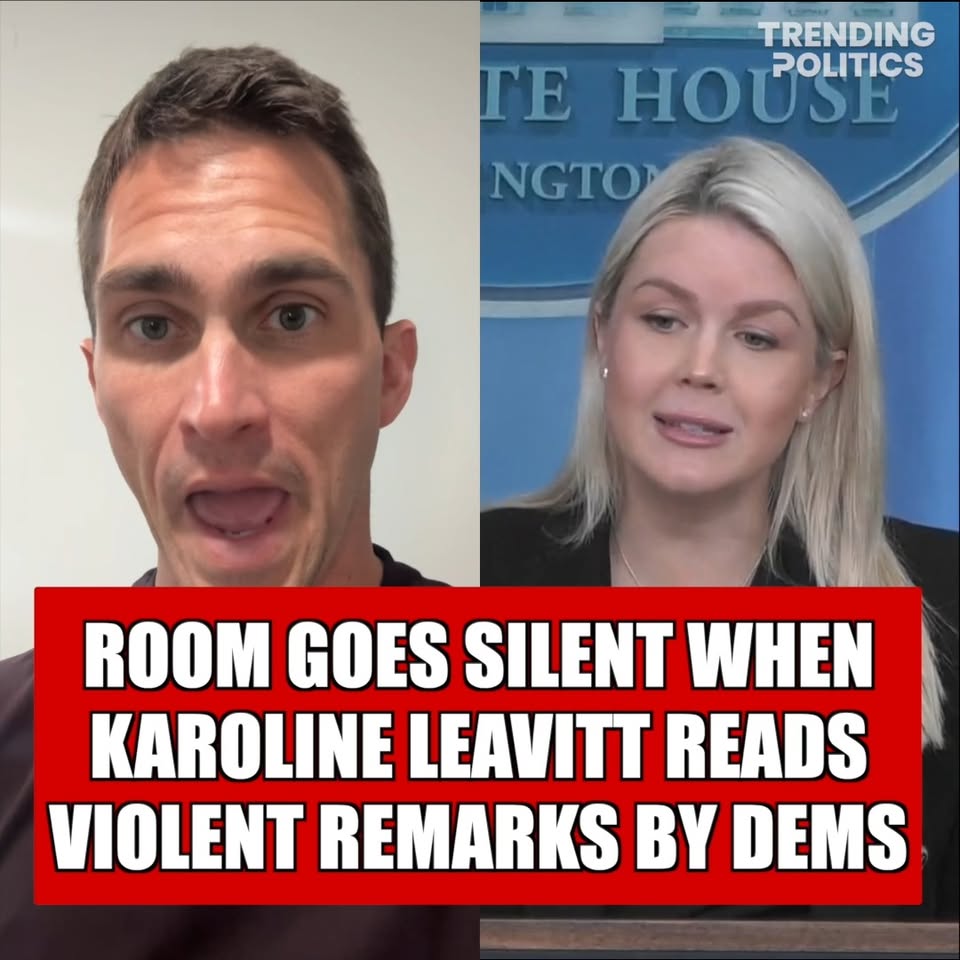
A viral Facebook reel says the White House press room went silent when Karoline Leavitt read “violent remarks” from Democrats. The clip is real and the quote list is real, but the social framing is selective.
Short verdict
Real clip, selective framing. Leavitt did cite a list of Democratic statements and argue that years of anti-Trump rhetoric help inspire violence. But FactCheck.org reviewed the same examples and found that several were stripped of important context. Some quotes were aggressive political language; some were criticism of policy, authoritarianism or officeholders; the reel does not prove those remarks caused a specific violent act.
What the reel shows
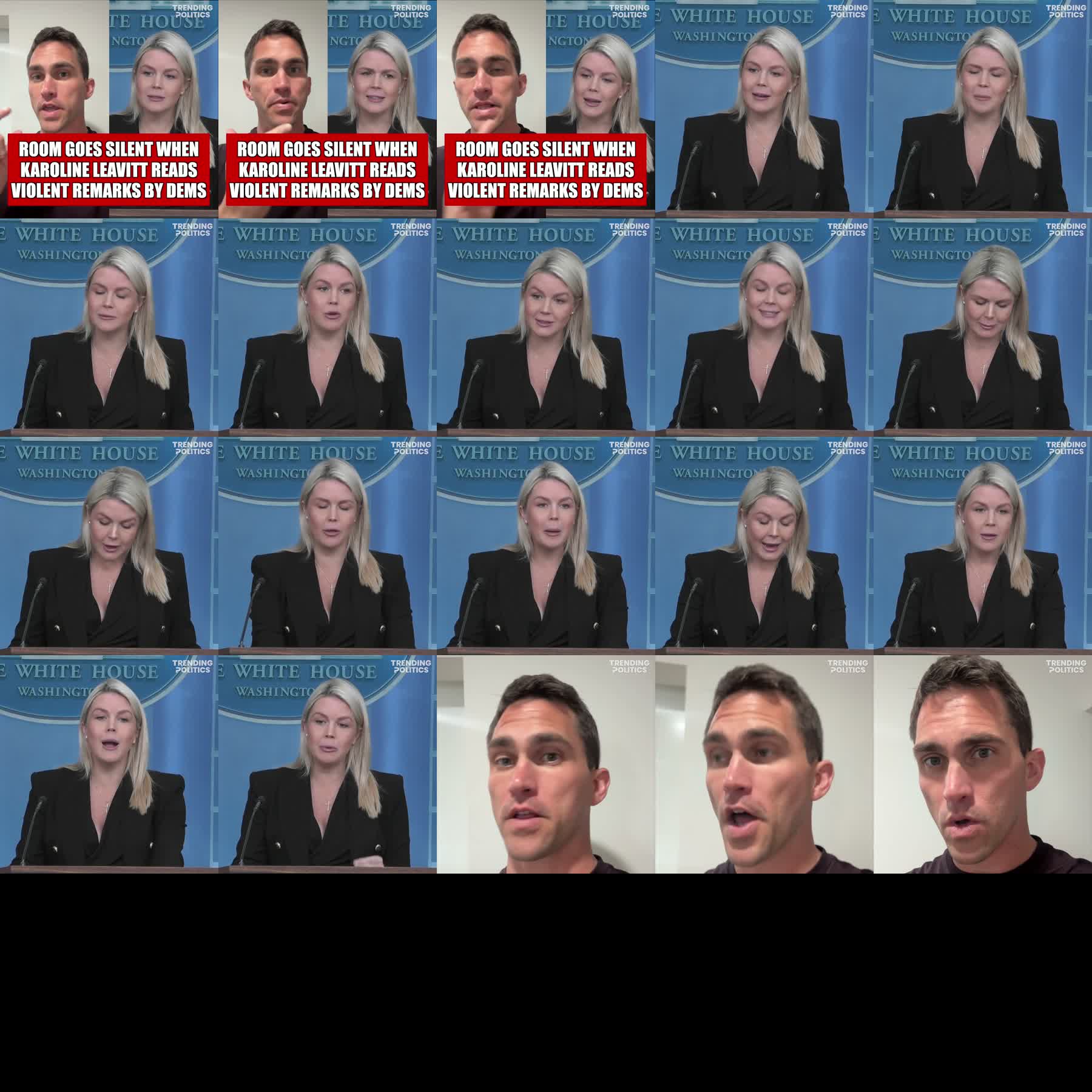
The source is a Facebook reel from Clayton Keirns with the caption “She brought the receipts.” It begins with a commentator saying the room went silent when Leavitt read “violent comments” by Democratic officials and pundits. The main clip then shows Leavitt in the White House briefing room.
In the transcript, Leavitt says Democrats and media figures have described Donald Trump as an existential threat, a fascist, Hitler-like, a dictator, and authoritarian. She then lists examples from Hakeem Jeffries, Josh Shapiro, Alex Padilla, Elizabeth Warren, Adam Schiff, Ed Markey, J.B. Pritzker, Ayanna Pressley and LaMonica McIver.
What checks out, and what needs context
| Claim or phrase | PBC label |
|---|---|
| Leavitt made the argument in a White House briefing after an armed man tried to enter the WHCA dinner. | Supported by The Independent and FactCheck.org. |
| Leavitt read a list of Democratic statements including “maximum warfare,” “heads need to roll,” “fascist state,” “dictator playbook,” and “cannot know a moment of peace.” | Supported. FactCheck.org quotes the same list. |
| Every example was a literal call for physical violence. | Not supported. FactCheck.org says several examples were missing context and were about electoral, legal or protest politics. |
| Some language was inflammatory or reckless in a polarized climate. | Fair political concern. PBC treats this as legitimate to debate. |
| The reel proves those comments caused a specific attempted attack. | Unproven causal leap. The article can show rhetoric and timing, but not causation. |
| “Room goes silent.” | Dramatic social-video framing; not independently established by the clip. |
Why Canadians may care
This belongs in PBC’s Outside Canada section because U.S. political-rhetoric clips heavily influence Canadian online debates. The Canadian lesson is not to copy either side’s slogans. The lesson is to watch how clipped videos turn context-heavy political speech into a simple “they want violence” narrative.
Political speech can be dangerous when it dehumanizes opponents or normalizes physical confrontation. But it is also easy for partisan clips to relabel policy metaphors, protest language or authoritarianism warnings as direct incitement. PBC’s standard is to separate the real quote from the interpretive leap.
PBC bottom line
The reel is useful as a lead because it points to a real White House exchange and a real debate about political rhetoric. It should not be treated as complete proof that one party’s words caused violence. The strongest version of the story is narrower: Leavitt highlighted aggressive Democratic language; several examples were real; several need context; and the causal claim remains unproven.