Family · fatherhood · source check · July 29, 2026
Warren Farrell, fathers and the boy crisis: what the John Stossel Reel gets right
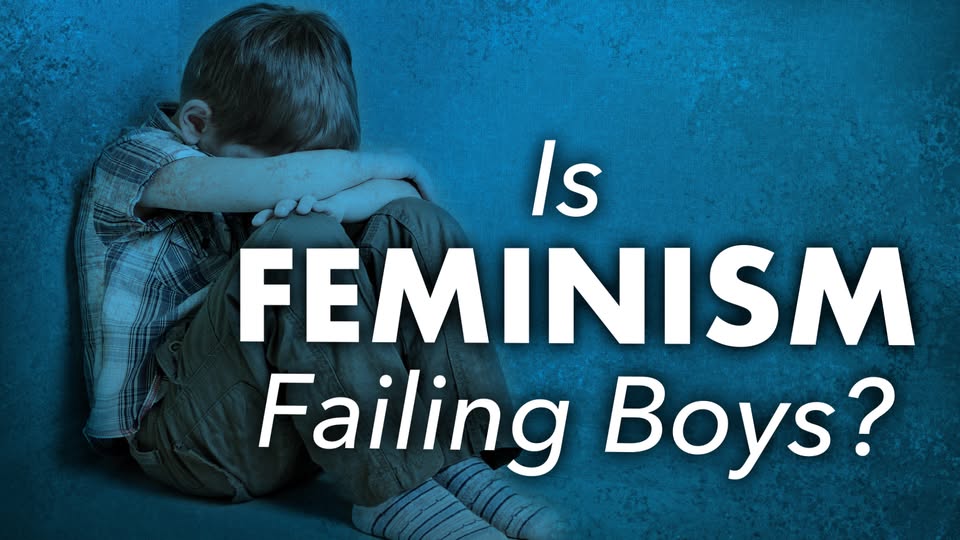
A John Stossel Father’s Day Reel points to an uncomfortable public-policy question: if fathers matter to children, especially boys, why is it still treated as controversial to say so?
Evidence label
Verdict: real public-interest issue; advocacy framing needs nuance. Warren Farrell is correctly identifiable as a former feminist-movement figure turned “boy crisis” author. Independent data supports concern about male suicide and male disadvantage in some education measures. The broad claim that feminism or welfare policy alone caused the crisis is Farrell/Stossel’s interpretation and should be argued, not treated as settled fact.
What the Reel says
The Facebook Reel is from John Stossel and was posted for Father’s Day. Its description says Dr. Warren Farrell argues that feminists too often ignore the critical role fathers play in raising children, especially boys. The video opens with footage of a University of Toronto protest against Farrell, then frames him as a former feminist leader who later broke with parts of modern feminism.
The clip makes several claims: boys are falling behind in education; male suicide is far higher; fatherlessness matters; and children do best when fathers and mothers are both meaningfully involved. It also includes a harder, more controversial argument from Farrell: that parts of the welfare system rewarded father absence and weakened families.
Who is Warren Farrell?
Warren Farrell, PhD, is not simply a drive-by social-media commentator. His official biography describes him as an author whose books have been published in 19 languages, including Why Men Are the Way They Are, The Myth of Male Power and The Boy Crisis. His publisher biography says he was elected three times to the board of the National Organization for Women in New York City before becoming better known for men’s and boys’ issues.
That background matters. Farrell’s argument is not that women’s concerns are fake. His position is that the public conversation widened for women and girls but often failed to make equal space for male-specific problems: father absence, boys’ education, suicide, work/family roles, and the loss of purpose among young men.
He is controversial for that reason. The University of Toronto protest shown in the Reel traces back to his “Boys to Men” campus talk, which drew demonstrators who characterized his men’s-issues work as harmful. PBC’s view is simpler: if a claim is wrong, answer it with evidence. Blocking the room does not help boys, girls, mothers or fathers.
What outside sources support
The strongest support for the Reel is not every political claim inside it. The strongest support is the basic premise that boys and men face measurable problems that deserve direct attention.
- CDC suicide data reports that the U.S. suicide rate among males in 2024 was nearly four times the rate among females.
- Statistics Canada’s archived suicide overview reported that, in 2009, Canada’s male suicide rate was about three times the female rate.
- NCES U.S. postsecondary data shows undergraduate enrollment by sex and documents a sustained female majority in degree-granting undergraduate enrollment.
- Statistics Canada’s Postsecondary Student Information System is the Canadian source for enrolment and graduate trends by sex and program.
- Justice Canada family-law statistics show custody and shared-care arrangements have historically varied by court order, age and family situation, with mothers receiving sole custody in a large majority of older court-order cases.
What needs caution
There are three places where readers should slow down.
First, “father absence” is a real risk-factor discussion, but family breakdown has many causes: divorce law, labour markets, addiction, incarceration, poverty, housing costs, school culture, mental health, dating norms and state policy. Treating one policy or one movement as the single cause overstates what the Reel proves.
Second, boys falling behind in some areas does not mean girls have no problems. A serious family policy can care about both. The point is not to reverse compassion; it is to stop pretending boys are automatically fine because men once held more formal power in public institutions.
Third, fatherhood is not only a political slogan. The question is practical: how do laws, schools, courts, churches, employers and communities make it easier for good fathers to stay involved, and harder for systems to treat fathers as optional?
Why this belongs on PBC
Pureblood Canadians covers sovereignty, family, public health, civil liberties and the institutions that shape daily life. Fatherhood belongs in that conversation. A country that treats fathers as disposable will eventually pay for it in classrooms, courts, addiction services, prisons, suicide statistics and broken homes.
Farrell’s critics can challenge his conclusions. But the data trail is strong enough to say this much: boys and fathers deserve a serious hearing. If the public square can talk about every other identity group, it can talk about sons and dads too.
Sources
- John Stossel Facebook Reel source
- Warren Farrell official biography
- Simon & Schuster / BenBella page for The Boy Crisis
- Warren Farrell page on University of Toronto protest/talk
- CDC suicide data and statistics
- Statistics Canada archived suicide overview
- NCES undergraduate enrollment data
- Statistics Canada postsecondary enrolments and graduates tool
- Justice Canada selected statistics on Canadian families and family law
- PBC source note and transcript package