Outside Canada · Germany / AfD / Saxony-Anhalt · September 6, 2026
Germany’s AfD surge in Saxony-Anhalt: real poll lead, power still depends on seats and coalitions
PBC Outside Canada source-check on CBC’s YouTube segment about Alternative for Germany, Saxony-Anhalt, Ulrich Siegmund, extremist-designation claims, remigration policy and the German firewall.
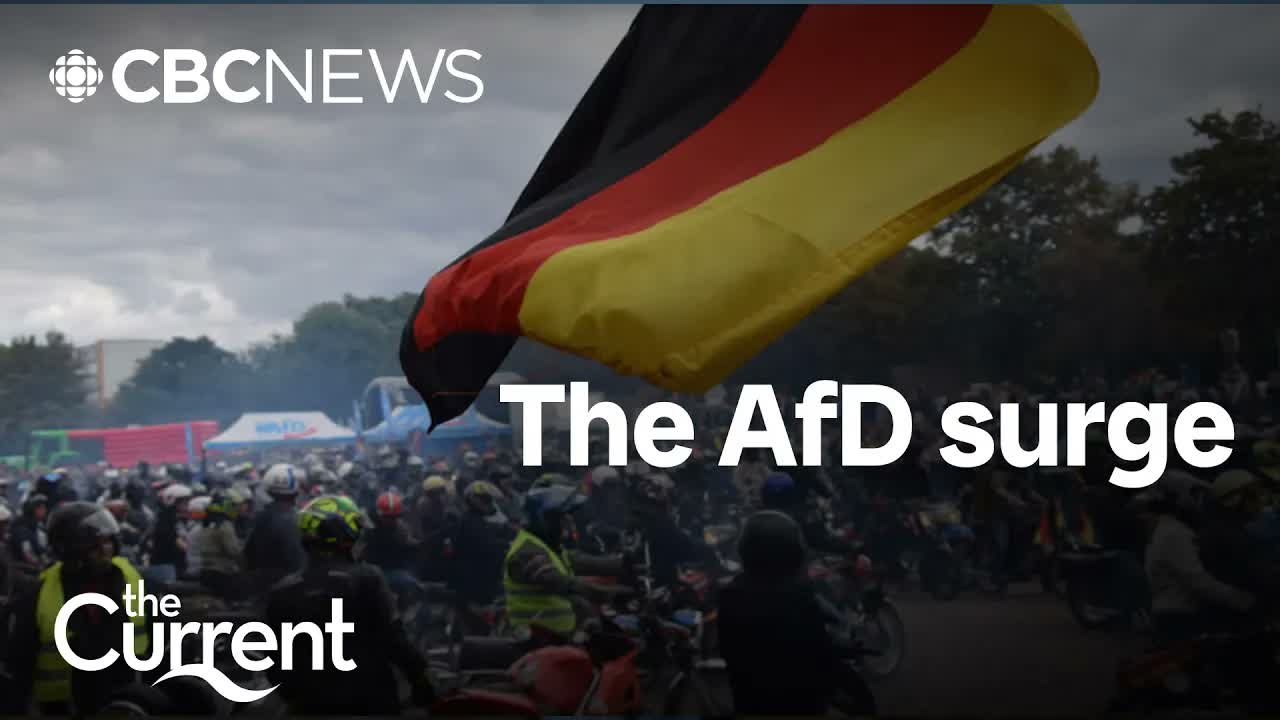
Verdict: real story, conditional outcome. CBC’s core warning is supported: AfD is polling around 40–42% in Saxony-Anhalt and could create a postwar breakthrough for far-right state power. But the outcome was not settled at capture time, and winning the most votes does not automatically mean governing unless AfD can secure enough seats or cooperation.
What CBC says
The video says AfD is surging in the eastern German state of Saxony-Anhalt; that a win could mark the first time a far-right party held state power in Germany since the Nazi era; and that the party’s platform touches immigration, “remigration,” Russia, education, policing, family policy and LGBTQ issues.
I'm Paul Hunter and this is the current podcast. This Sunday, Germans head to the polls and the far-right Alternative for Germany Party or AfD is surging in the eastern state of Saxony-Anhalt. If they win, it'll mark the first time a far-right party has held state power in Germany since the Nazis. And the outcome of this regional election could trigger a political upheaval in the country. CBC's Jessica Singer has been on the ground in Saxony-Anhalt following the campaign and speaking with voters. She's in the state capital, Magdeburg. Hi Jessica. >> Hi. >> So, tell us about this region, Saxony-Anhalt. What what's going on right now? >> So, Saxony-Anhalt is an eastern German state and it used to be a part of East Germany before the Berlin Wall came down. It's one of the country's smallest states with around 2 million people and a lot of rural areas, but no matter where you are in this state, whether it's a small town or a bigger city, things here feel intensely divided. >> Okay, so for people who don't know, what is the AfD? >> Yeah, so the AfD began in 2013 as an anti-European Union party mainly focused on the financial crisis, but it began shifting its focus to immigration and national identity in 2015 when hundreds of thousands of refugees came to the country from places such as Syria. And what used to be more of a a fringe party is now an incredibly popular political movemen…
What records verify
- Poll lead: MDR/ARD/Infratest reported AfD at 42% and CDU at 22% in the final pre-election poll.
- Election date: Saxony-Anhalt votes on September 6, 2026.
- Firewall: major parties generally refuse coalition with AfD, so government formation depends on seat math and threshold parties.
- State-level extremist label: major coverage reports Saxony-Anhalt’s AfD as classified by state domestic intelligence as right-wing extremist.
- National-level caution: AP reported the national intelligence service paused a broader national AfD extremist designation pending legal process.
What remains conditional
- Whether AfD actually wins the election.
- Whether it wins enough seats to govern alone.
- Whether any firewall/cooperation breaks after the vote.
- How much of its state platform would survive legal and constitutional constraints.
Claim table
| Claim | Label | Short note |
|---|---|---|
| AfD around 40–42% in Saxony-Anhalt. | Supported polling | Pre-election polling; not a result. |
| First far-right state power since WWII if it governs. | Conditional | Depends on state-government formation. |
| Remigration / refugee classroom proposals are in the platform or reporting. | Supported | CBC/BBC/CBS/Brookings describe these positions. |
| AfD would automatically control Germany after one state. | Not established | State power matters, but Germany has federal and constitutional constraints. |